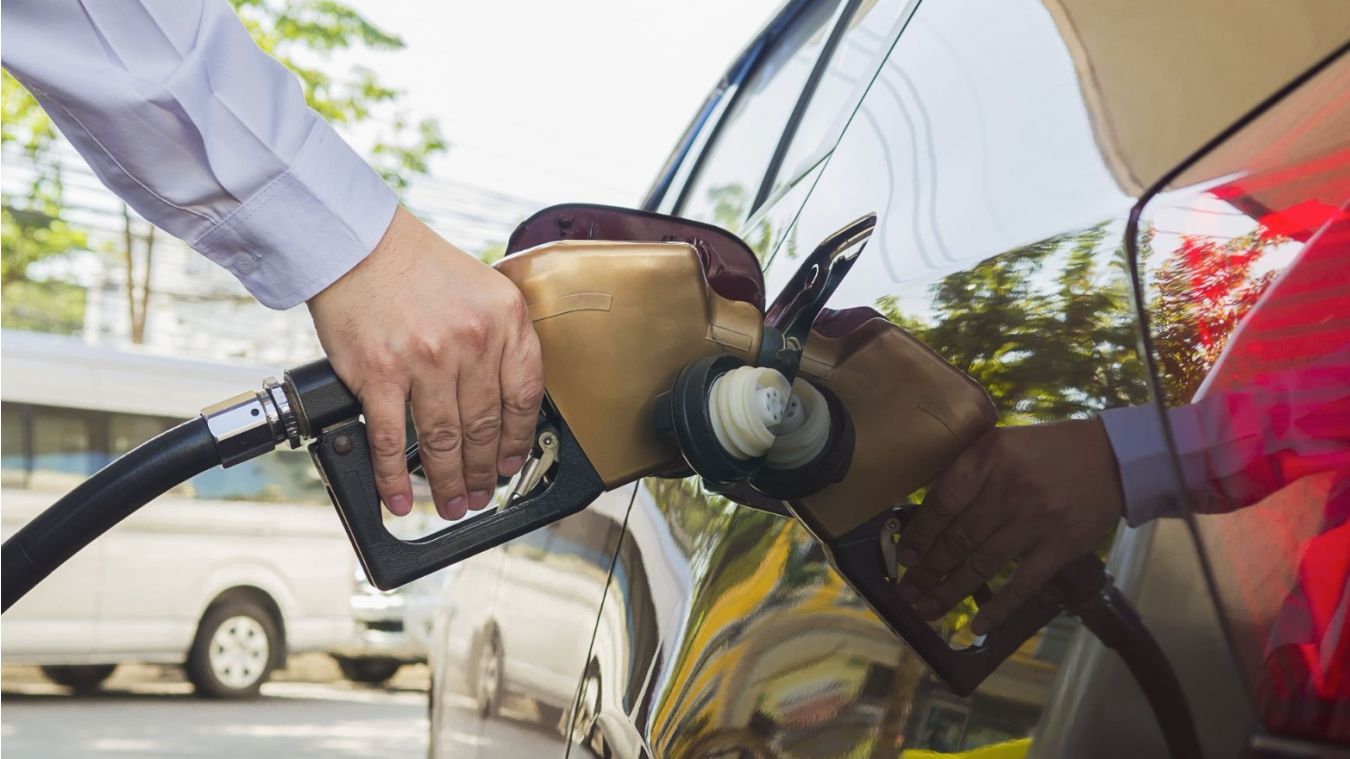
Fuel prices in the UAE have surged again in April 2026, putting pressure on daily commuting, logistics, and overall living expenses. With petrol prices climbing and further increases expected, both individuals and businesses are actively looking for smarter, more cost-effective alternatives.
In this guide, we break down the latest UAE fuel prices, why they’re rising, and more importantly how you can reduce your transportation costs in 2026.
Here are the official fuel prices for April 2026:
Compared to previous months, this marks a noticeable increase, especially for diesel users and frequent drivers.
Fuel prices in the UAE are adjusted monthly and influenced by global factors. The key reasons behind the April 2026 increase include:
Since the UAE follows a deregulated fuel pricing system, local prices directly reflect international market conditions.
Here’s what’s happening in reality:
If you drive daily, even a small increase per litre adds up significantly over a month.
Businesses relying on transportation are seeing margins shrink due to increased fuel costs.
Owning a car is no longer just about EMI—it’s fuel, servicing, insurance, and depreciation.
If you’re still thinking "I’ll just manage,” you’re ignoring the obvious shift happening in the market.
People are moving from ownership → access.
Instead of paying fixed costs every month, renting allows you to pay only when needed.
Short trips, errands, or occasional use don’t justify full-time car ownership anymore.
Instead of maintaining a fleet, businesses can use rental platforms for cost control.
Reduce fuel consumption by optimizing usage instead of running a vehicle daily.
With fuel prices rising, platforms like RentAnythings offer a smarter way to manage transportation costs.
Instead of committing to long-term expenses, you can:
This is especially useful for:
Fuel prices are expected to remain volatile throughout 2026. Early indicators already suggest further increases in the coming months.
This means one thing: