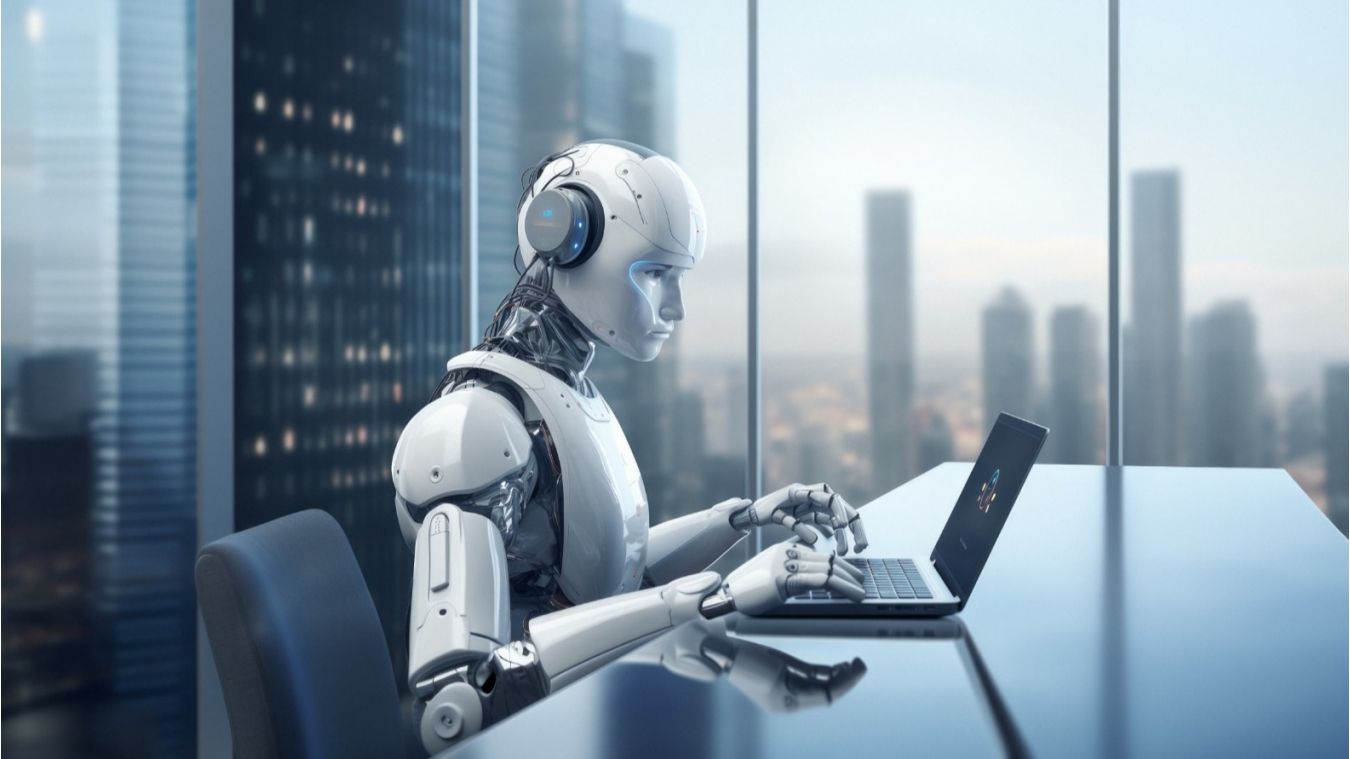
The question of whether a business can operate entirely with AI agents is no longer theoretical it’s becoming increasingly practical. From automated customer service to AI-driven marketing, AI agents are capable of performing many roles that were traditionally human. But could they truly replace an entire workforce? The answer is nuanced.
The Capabilities of AI Agents
AI agents are software programs powered by artificial intelligence that can analyze data, make decisions, communicate, and even create content. Some of the most advanced AI agents can:
- Manage customer inquiries with chatbots or virtual assistants
- Automate sales processes, lead generation, and follow-ups
- Generate high-quality marketing content, social media posts, and blogs
- Analyze business metrics and provide actionable insights
- Handle scheduling, reminders, and other administrative tasks
These abilities allow AI agents to handle a significant portion of operational tasks, especially repetitive and data-driven ones. For startups or small businesses with limited human resources, AI agents can provide the backbone for daily operations.
Running a business primarily with AI agents comes with several advantages. Cost efficiency is one of the most obvious: AI agents can work 24/7 without salaries, breaks, or benefits. Scalability is another major benefit adding capacity is often as simple as deploying additional AI agents rather than hiring new employees. Moreover, AI agents offer consistency and speed, handling tasks quickly and without human error.
Businesses can also benefit from real-time data insights and predictive analytics, which can help improve decision-making, optimize customer engagement, and drive growth faster than human-only teams could.
The Limitations and Challenges
However, relying solely on AI agents comes with significant limitations. AI lacks emotional intelligence, empathy, and nuanced judgment, which are critical for leadership, strategic decision-making, and complex negotiations. Customer interactions, especially in sensitive industries like healthcare or legal services, often require a human touch that AI cannot fully replicate.
Data privacy and security are another concern. AI agents need access to sensitive company and customer information to function effectively, which increases the risk of data breaches if not properly managed.
Additionally, while AI agents can execute tasks efficiently, they cannot innovate or pivot strategically without human oversight. Creativity, intuition, and ethical decision-making remain areas where humans are essential.
A Hybrid Approach Is the Future
Instead of replacing humans entirely, the most practical model is a hybrid business, where AI agents handle repetitive, scalable, and data-intensive tasks, while humans focus on strategy, creativity, and high-stakes decision-making. Companies like e-commerce startups, SaaS businesses, and digital marketing agencies are already successfully using this approach, leveraging AI agents for operations, customer service, and content creation while keeping a small human core to drive growth and innovation.
Could you run a business entirely with AI agents?
Technically, it’s possible for certain operationally simple, highly automated businesses. Practically, however, AI works best as a force multiplier rather than a complete replacement for humans. The future belongs to businesses that combine AI efficiency with human intelligence, creating a model that is faster, smarter, and more resilient than either could achieve alone.